
The best way to prevent frozen pipes in your Kanata or Stittsville home is to insulate exposed
pipes in unheated areas, keep your indoor temperature above 15°C (even when you’re away),
disconnect and drain outdoor hoses before the first freeze, and seal any gaps in your basement
or exterior walls that let cold air reach your plumbing. Pipes start running into trouble when
temperatures stay below -6°C for extended periods, and Ottawa regularly drops well past that,
with January lows averaging -14°C and cold snaps pushing into the minus twenties or worse. A
burst pipe from freezing can cause $5,000 to $25,000 in water damage or more, making
prevention one of the best investments a homeowner can make before winter.
What Temperature Do Pipes Freeze At?
Water freezes at 0°C, but residential pipes typically don’t run into problems until the temperature
drops below -6°C and stays there for a sustained period. When water freezes inside a pipe, it
expands by roughly 9%, generating pressure that can exceed 2,000 pounds per square inch.
That pressure is what cracks or bursts the pipe.
What makes this dangerous is that the burst doesn’t always happen while the pipe is frozen.
The crack often forms under pressure while the water is still ice, and the real damage shows up
when the ice thaws and water starts flowing through the break. That’s why some homeowners
don’t realize they have a burst pipe until the temperature warms up and they find water pouring
into a wall or ceiling.
In the Ottawa region, January averages -14°C at night, and it’s common to see stretches where
temperatures stay below -20°C for days at a time. Those are the conditions that put your pipes
at serious risk.
Which Pipes Are Most at Risk in Kanata and Stittsville Homes?
The pipes most likely to freeze are the ones in areas of your home that don’t get consistent
heat. Basements, crawl spaces, garages, attics, and exterior walls are the most common trouble
spots. Any pipe that runs through an unheated or poorly insulated space is a candidate.
In Kanata and Stittsville, the housing stock spans several decades, and each era brings its own
vulnerabilities. Older homes in established Kanata neighbourhoods may have aging copper
pipes running through exterior walls with minimal insulation. Newer builds in areas like
Fernbank, Blackstone, or Arcadia can still have pipes routed through exterior walls or above
unheated garages, especially in townhomes where the builder prioritized layout over pipe
placement.
Homes with additions or finished basements are another common risk. The plumbing added
during the renovation may not be insulated to the same standard as the original system,
especially if the work was done without a permit.
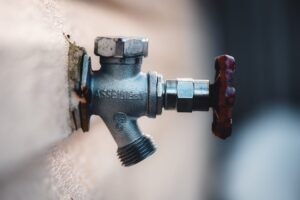
Outdoor hose bibs are also a frequent failure point. Even frost-free outdoor faucets will fail if the
hose is left connected, because the trapped water defeats the self-draining design.
How Do You Insulate Pipes to Prevent Freezing?
Start with the areas where pipes are most exposed: the basement, crawl space, garage, and
any sections running along exterior walls. Foam pipe insulation sleeves are inexpensive, widely
available at any hardware store, and easy to install yourself. They slip over the pipe and are
held in place with tape or cable ties.
For pipes in particularly vulnerable spots, such as crawl spaces or areas where temperatures
consistently drop well below freezing, heat cable (also called heat tape) provides an extra layer
of protection. Heat cable wraps around the pipe and generates low-level warmth to keep the
water above freezing. Make sure to use a product rated for plumbing use and follow the
manufacturer’s installation instructions.
Don’t overlook the gaps and cracks that let cold air in. Seal any openings around pipes where
they pass through exterior walls or the foundation. Expanding spray foam works well for small
gaps. For larger openings, rigid foam insulation cut to fit and sealed with caulking is more
effective. Outdoor faucets should be fitted with insulated faucet covers, which cost a few
dollars and take less than a minute to install. For pipes that run through unheated areas or
along exterior walls where insulation alone may not be enough, adding heat trace cables
provides consistent, thermostatically controlled warmth to prevent freezing. These
self-regulating cables can be installed beneath pipe insulation and automatically adjust
their heat output based on the surrounding temperature.
Should You Let Your Faucets Drip in Winter?
Yes, during extreme cold snaps, letting a faucet drip slightly can help prevent a freeze. Moving
water is harder to freeze than standing water, and the slight flow also relieves pressure inside
the pipe, which is what actually causes bursts.
Open both the hot and cold sides to a slow drip on the faucet that’s farthest from where the
water enters your home. That forces water to move through the longest run of pipe. You’re not
running up your water bill significantly. The amount of water from a slow drip is minimal
compared to the cost of repairing a burst pipe.
This is a temporary measure for severe cold, not a substitute for proper insulation. If you find
yourself relying on dripping faucets every winter, that’s a sign the underlying insulation problem
needs to be addressed.
What Are the Warning Signs of a Frozen Pipe?
Catching a frozen pipe early can be the difference between a quick thaw and a catastrophic
burst. Here are the signs to watch for:
Reduced or no water flow from a faucet when you turn it on. This is the most obvious sign,
especially if other faucets in the house are working fine. Frost visible on the outside of an
exposed pipe in your basement, crawl space, or garage. Unusual sounds from your plumbing,
including banging, gurgling, or whistling. These can indicate ice restricting flow inside the pipe.
A bulge or distortion in an exposed pipe section, which signals ice expanding inside. Strange
smells from a drain, which can occur when a frozen section blocks the normal venting of sewer
gases.
If you notice any of these signs during a cold snap, take action immediately. The window
between “frozen” and “burst” can be short.
Can You Thaw a Frozen Pipe Yourself?
In some cases, yes. If you can locate the frozen section and the pipe hasn’t burst, you can try
thawing it safely.
Turn on the faucet connected to the frozen pipe first. Even a trickle of water means the thaw is
working, and the open faucet relieves pressure as the ice melts. Apply gentle heat to the frozen
section using a hair dryer on a low setting, a portable space heater pointed at the area, or
towels soaked in warm water wrapped around the pipe. Start from the faucet end and work back
toward the frozen section so melting water has somewhere to go.
Never use an open flame, a propane torch, or a heat gun directly on the pipe. The risk of fire or
pipe damage is too high, and in a worst-case scenario, superheating trapped water can cause a
steam explosion inside the pipe.
If you can’t locate the frozen section, if multiple fixtures have lost water flow, or if you see any
sign that the pipe has already cracked or burst, stop and call a plumber. At that point, DIY
thawing risks making the damage worse.
How Much Does Frozen Pipe Repair Cost?
The cost to repair a frozen or burst pipe in the Ottawa area depends on the severity and location
of the damage. For a straightforward thaw and minor repair on an accessible pipe, expect to pay
in the range of $500 to $25,000 or more. If the pipe burst behind a finished wall, under a floor, or
in a hard-to-reach area, the cost increases due to the demolition and restoration work required
on top of the plumbing repair.
The real cost, though, is the water damage that follows a burst. A burst pipe is one of the most
common and significant insurance claims a homeowner can face, with average water damage
typically running between $5,000 and $10,000. That figure can climb much higher if the water
reaches finished spaces, electrical systems, or sits long enough for mould to develop.
For context, insulating every exposed pipe in your home typically costs a few hundred dollars in
materials if you do it yourself, or a modest service call if you have a plumber handle it. The math
on prevention is straightforward.
Why Are Newer Kanata and Stittsville Homes Still at Risk?
A common assumption is that frozen pipes are only a problem in older homes. That’s not the
case. Newer construction in Kanata and Stittsville is not immune, and in some cases, the risks
are different but just as real.
Modern building codes require better insulation, but pipe routing decisions are made during
framing, and builders don’t always prioritize plumbing protection over floor plan efficiency. Pipes
running through exterior walls, above unheated garages, or through attic spaces are common in
newer subdivisions, especially in townhome and semi-detached layouts where interior space is
tight.
Newer homes also have a different risk profile during power outages. Older homes with cast iron
radiators and boilers retain heat longer. Modern forced-air systems stop producing heat the
moment the power goes out, and without that heat source, interior temperatures can drop
quickly during a sustained cold snap.
If your home was built in the last 10 to 15 years, don’t assume it’s protected. Walk through your
basement and look at where your pipes run. If any of them are near exterior walls, in the garage
ceiling, or in any area that isn’t consistently heated, insulation is worth adding.
How to Prepare Your Home’s Plumbing Before Winter
A fall plumbing checkup takes an hour or two and can save you thousands. Here’s a practical
checklist for Kanata and Stittsville homeowners:
Disconnect and drain all garden hoses, hose bibs and any other outside plumbing fixtures by
late October. Even frost-free faucets will fail if a hoseis still connected. Insulate exposed pipes
in the basement, crawl space, garage, and any unheated areas. Seal gaps and cracks around
pipes where they pass through exterior walls or the foundation. Make sure your thermostat is
set to maintain at least 15°C, even when you’re away or sleeping. If you’re leaving the house
for an extended period in winter, don’t turn the heat off. Open cabinet doors under sinks on
exterior walls during cold snaps to let warm air circulate around the pipes. Know where your
main water shut-off valve is and make sure it works. If a pipe does burst, the first thing you’ll
need to do is stop the water. Test your sump pump before winter if you have one. Spring thaw
causes flooding, but so can a burst pipe in the basement.
How Rhino Plumbing Helps Kanata and Stittsville Homeowners
Prepare
We offer pre-winter or pre-purchase plumbing assessments for homeowners who want a
professional set of eyes on their system before the cold sets in. A licensed plumber walks
through your home, identifies vulnerable pipes, checks insulation, tests your shut-off valve, and
makes recommendations specific to your home’s layout and age.
If you’re not sure whether your pipes are at risk or you’d rather get a quick assessment before
booking a full visit, our Virtual Plumber service lets you connect with a Red Seal certified
plumber over video call. Point your phone at the pipes you’re concerned about, and we’ll tell you
what you’re looking at and what, if anything, needs attention.
Worried about your pipes this winter? Book a Virtual Plumber call to identify vulnerable
spots before the cold hits, or contact us to schedule a pre-winter plumbing assessment.