
A drain flushing service uses high-pressure water to clean the full interior of your drain and sewer pipes, removing buildup, blockages, and debris that standard drain snaking leaves behind. Where snaking punches a hole through a clog to restore flow, flushing scours the entire pipe wall and restores the line closer to its original diameter. The process is sometimes called hydro jetting, water jetting, or high-pressure drain cleaning, but they all describe the same professional service. If you’re dealing with recurring clogs, multiple slow drains, grease buildup, or drains that keep backing up shortly after being snaked, a drain flushing service is likely the step your plumbing system actually needs.
How Does a Drain Flushing Service Work?
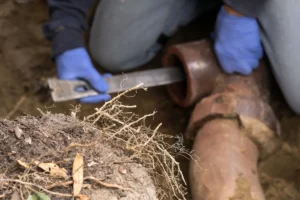
A licensed plumber inserts a specialized nozzle attached to a high-pressure hose into your drain or sewer line through a cleanout or access point. The nozzle is connected to a machine that pressurizes water, typically to between 3,000 and 4,000 PSI for residential applications.
The nozzle is the key component. It features multiple water jets that spray in different directions simultaneously. Forward-facing jets break apart blockages and obstructions, while rear-facing jets propel the nozzle forward through the pipe and scour the pipe walls clean as it moves. The force is strong enough to cut through hardened grease, dissolve mineral scale, break apart tree root masses, and flush away accumulated sludge and debris.
Everything the water dislodges is pushed downstream and flushed out of the system. The process uses only water, which means no chemicals are introduced into the sewer system or groundwater.
Before any flushing begins, a reputable plumber will run a camera inspection through the line first. This step is important for two reasons: it identifies the exact location and nature of the blockage, and it confirms that the pipes are in good enough condition to handle the water pressure. Older pipes made from clay or heavily corroded cast iron may not be candidates for high-pressure flushing, and the camera inspection is what determines that. If a plumber skips this step, it’s worth asking why.
When Do You Need a Drain Flushing Service?
Not every clogged drain requires flushing. A single slow sink or a one-time toilet backup is usually a straightforward snaking job. Flushing is the right tool when the problem goes deeper than a single clog.
Recurring clogs that keep coming back after snaking. If you’ve had a drain snaked and the problem returns within weeks or months, snaking is treating the symptom but not the cause. Buildup on the pipe walls is re-narrowing the line, and only a full-pipe cleaning will address it.
Multiple drains backing up at the same time. When more than one fixture is affected, the issue is usually in the main sewer line, not an individual branch. Flushing cleans the entire main line rather than just clearing a path through one spot.
Grease buildup in kitchen drains. Grease coats pipe walls and solidifies over time, progressively narrowing the line. Snaking can punch through a grease blockage, but the grease on the walls remains and the clog rebuilds. Flushing removes the grease from the pipe walls entirely.
Sewer odour inside the home. Persistent sewer smells can indicate buildup restricting proper drainage and venting. If a camera inspection confirms buildup rather than a structural issue, flushing is the appropriate cleaning method.
Preventive maintenance. You don’t need to wait for a backup to schedule flushing. For homes with mature trees near the sewer line, older pipes, or a history of drain issues, periodic flushing keeps buildup from reaching the point where it causes problems. For residential properties, every one to three years is a common maintenance interval depending on the property’s risk factors.
Commercial kitchens and food service. Restaurants, cafeterias, and commercial kitchens deal with heavy grease accumulation that rebuilds faster than in residential settings. For these properties, flushing every 6 to 12 months is common practice.
What Is the Difference Between Drain Flushing and Drain Snaking?
These are two different tools that solve different problems. Understanding the distinction helps you avoid paying for the wrong service.
Drain snaking uses a flexible metal cable with a cutting or corkscrew tip to physically break through or retrieve a clog. The cable is fed into the pipe, contacts the blockage, and either breaks it apart or hooks it so it can be pulled out. Snaking clears a path through the obstruction, but it doesn’t clean the pipe walls. The buildup that caused the clog in the first place remains on the pipe walls, which is why snaked drains often clog again.
Drain flushing uses high-pressure water to clean the entire interior surface of the pipe. It doesn’t just break through the clog. It removes the grease, scale, sludge, and debris from the pipe walls, restoring the full diameter of the line. The result is a more thorough cleaning that lasts significantly longer than snaking for buildup-related problems.
When snaking is the right choice: a single fixture is affected (one slow sink, one backed-up toilet), the clog is a simple obstruction like hair or a foreign object near the fixture, you need flow restored quickly and the issue isn’t recurring, or the pipes are older and may not handle high-pressure water safely.
When flushing is the right choice: multiple fixtures are affected, the same drain keeps clogging after being snaked, the clog is caused by grease, mineral scale, or root intrusion, you want a preventive cleaning rather than a reactive fix, or the camera inspection shows widespread buildup throughout the line.
Our plumbers are always available to help you make an educated decision about which service is right for your situation.
Can Drain Flushing Damage Your Pipes?
High-pressure water is a powerful tool, and it’s not appropriate for every pipe. This is why having a camera inspection before flushing is important.
Pipes that are structurally sound, including modern PVC, ABS, and well-maintained cast iron, can typically handle the pressure. Plumbers can adjust the PSI based on the pipe material and condition to match the cleaning force to what the pipe can safely handle.
Pipes that are cracked, collapsed, severely corroded, or made from older clay tile may be at risk of further damage from high-pressure water. The camera inspection reveals these conditions before any flushing begins, so the plumber can recommend an alternative approach (such as snaking or targeted repair) if the pipe isn’t a good candidate.
This is also why drain flushing is a professional service and not a DIY project. The equipment operates at pressures that can cause serious pipe damage if used incorrectly. A licensed plumber has the training and diagnostic tools to match the pressure, nozzle type, and approach to your specific pipe condition.
Why Is a Camera Inspection Done Before Drain Flushing?
The camera inspection before flushing serves two purposes, and both of them protect you as the homeowner.
First, it confirms what’s in the pipe and where the problems are. The plumber sees whether the issue is grease, roots, scale, a foreign object, or structural damage. This determines whether flushing is the right cleaning method and which nozzle type and pressure level to use.
Second, it confirms that the pipe is in good enough condition to handle the pressure. Flushing a cracked or collapsed pipe can make the damage worse. The camera catches these conditions before any water is turned on.
Many plumbers also run the camera again after flushing to confirm the pipe is fully cleaned and to identify any structural issues that were hidden behind the buildup. This before-and-after approach is what makes a combined flush and camera service more effective than either service alone. You get the cleaning and the diagnosis in a single visit.
What Does a Drain Flushing Service Remove?
The pressurized water is effective against a range of materials that accumulate inside drain and sewer pipes over time.
Grease and cooking oil. Grease is one of the most common causes of residential drain problems, especially in kitchen lines. It coats the pipe walls, hardens over time, and progressively narrows the line until flow is restricted. Flushing strips it from the pipe walls completely.
Mineral scale and hard water deposits. Calcium and magnesium from hard water build up on pipe walls, particularly in areas with mineral-rich water supplies. Flushing breaks apart and removes these deposits.
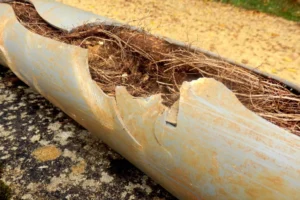
Tree root intrusion. Roots that have entered the pipe through cracks or joint separations can be cut and flushed out by the high-pressure water. However, if root intrusion is severe, the pipe may also need repair to seal the entry point, or the roots will return.
Sludge and biofilm. Organic material, soap residue, and bacteria form a layer of sludge on the interior of drain pipes over time. This buildup narrows the pipe and contributes to recurring slow drainage and odour. Flushing removes it.
Debris and foreign objects. Items that have been flushed or washed down a drain and become lodged in the line can be dislodged and cleared by the water pressure, depending on the size and location of the object.
How Often Should You Schedule a Drain Flushing Service?
The right frequency depends on your property, your plumbing, and your usage patterns.
Residential properties with no history of drain issues and newer plumbing typically only need flushing when a problem arises. Reactive service is fine when there’s nothing driving recurring buildup.
Residential properties with older pipes, mature trees, or a history of recurring clogs benefit from preventive flushing every one to three years. This keeps buildup from reaching the point where it causes backups, and it gives the plumber a regular opportunity to camera-inspect the line and catch developing issues early.
Commercial properties, restaurants, and food service operations need more frequent service due to heavier usage and grease accumulation. Every 6 to 12 months is a common maintenance interval for commercial drain lines.
Your plumber can recommend a schedule based on what the camera inspection reveals about your pipe condition and what your usage patterns look like.
How to Book a Drain Flushing Service in Kanata or Stittsville
We offer drain flushing for residential and commercial properties across Kanata, Stittsville, and the greater Ottawa area. Every flushing service begins with a camera inspection so we know what we’re working with before we start, and we walk you through the footage and findings so you understand exactly what’s happening in your pipes.
If you’re not sure whether your drains need flushing or whether a simple snaking would handle the issue, our Virtual Plumber service can help you sort it out. Describe the symptoms to a Red Seal certified plumber over video call, and we’ll recommend the right approach before you book anything.