No. Despite the label, flushable wipes are not safe for your plumbing. Toilet paper is designed to dissolve within water, but flushable wipes are built to stay intact during use, which means they hold together in your pipes long after the flush. They accumulate in drain lines, catch on rough spots and joints, combine with grease and other debris, and form blockages that lead to backups, service calls, and expensive repairs. If you flush wipes regularly, your plumbing is at a significantly higher risk of problems than if you don’t. This post explains why they cause so much damage, what the warning signs look like, and what you should do instead.
Why Don’t Flushable Wipes Break Down Like Toilet Paper?
Toilet paper is engineered to fall apart quickly in water. Within seconds of being flushed, it begins softening and degrading which helps it move through your pipes and the municipal sewer system without issue.
Flushable wipes are built to do the opposite. They need to hold together when wet, which is what makes them effective for cleaning. But the same durability that works in your hand becomes a liability in your plumbing. Many wipes are made from a combination of cellulose fibres and synthetic materials like polyester or polypropylene, and even wipes marketed as biodegradable often contain synthetic components that resist breaking down.
Consumer Reports reported that research has found more than half of biodegradable and flushable wipes tested contained both biodegradable cellulose and low-degradable synthetic fibres. So even these products do not fully break down in sewer systems within any practical timeframe.
The word “flushable” on the packaging really means the wipe will physically go down the toilet. It doesn’t mean it will dissolve in your pipes or in your septic system like toilet paper.
What Do Flushable Wipes Do to Your Plumbing?
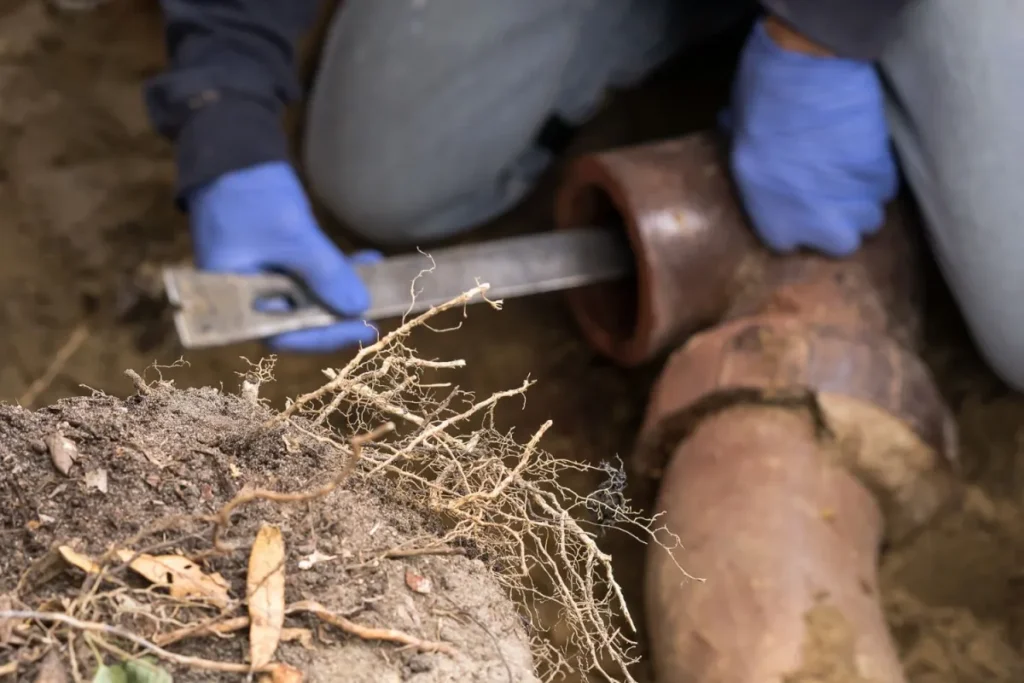
Once a wipe enters your drain line, it travels through the pipe largely intact. Along the way, it can snag on pipe joints, bends, rough spots, or tree roots that have entered the line. Once one wipe catches, others follow. They tangle together, combine with grease and household waste, and form a growing mass that restricts water flow.
This is how most wipe-related blockages develop. It’s rarely a single wipe that causes the problem. It’s weeks or months of accumulation in a section of pipe until the restriction becomes a full blockage. The buildup happens gradually, which is why many homeowners don’t realize there’s an issue until the drain backs up completely.
The result can range from slow drains and gurgling sounds to a full sewage backup through floor drains, toilets, or tubs. That kind of event requires emergency service and can cause significant water damage to your home.
This isn’t limited to older plumbing either. New PVC pipes can still catch wipes at joints and fittings. The issue is the material itself, not the condition or age of the pipe.
What Are the Signs of a Flushable Wipe Blockage?
The symptoms are similar to any drain blockage, but there are a few patterns that plumbers commonly associate with wipe buildup.
Multiple slow drains at the same time suggest the blockage is in the main sewer line rather than an individual branch. Wipe buildup in the main line restricts flow for the entire house, so you’ll notice sluggishness across more than one fixture.
Gurgling sounds from drains or toilets happen when air is displaced by rising water levels in a partially blocked line. If your toilet gurgles when the washing machine drains, for example, the restriction is in a shared section of pipe.
Sewage odour inside the home can indicate that a partial blockage is trapping waste and gases in the line. The smell is often the first noticeable sign before flow becomes fully blocked.
Recurring backups after snaking are a strong indicator. If a drain has been snaked and the problem returns within a few weeks, the snake cleared a path through the blockage but didn’t remove the wipes clinging to the pipe walls. The blockage rebuilds quickly because the underlying material is still there.
How Do Flushable Wipes Affect Your Sewer Line and Municipal System?
Once wipes pass through your plumbing, they enter the municipal sewer system. CTV News reported in 2025 that flushable wipes are causing problems for wastewater management systems across Canada, contributing to blockages in municipal infrastructure and driving up maintenance costs that get passed along to ratepayers.
Wipes that reach wastewater treatment plants don’t break down there either. They have to be physically screened out and removed, which adds to operating costs that every connected household ultimately shares.
For homeowners with septic systems, the risk is even more direct. Wipes that enter a septic tank don’t decompose. They accumulate in the tank over time and can clog the outlet or migrate into the leach field. A failed leach field is one of the most expensive residential plumbing problems to deal with, and it’s entirely preventable by keeping wipes out of the system.
What Should You Flush and What Should You Throw Away?
The only things that should be flushed are human waste and toilet paper. Everything else belongs in the garbage, including products labelled “flushable” or “septic safe.”
If you prefer using wipes, that’s fine. Just dispose of them in a small waste bin with a lid next to the toilet. It’s a minor habit change that eliminates the risk entirely.
For homeowners looking for a more permanent alternative to wipes, a bidet seat is worth considering. Bidet seats attach to your existing toilet, use water for cleaning, and remove the need for wipes altogether. A licensed plumber can install one in under an hour in most bathrooms, and the long-term savings on wipes (and potential drain cleaning) make it a practical investment.
What If You’ve Already Been Flushing Wipes?
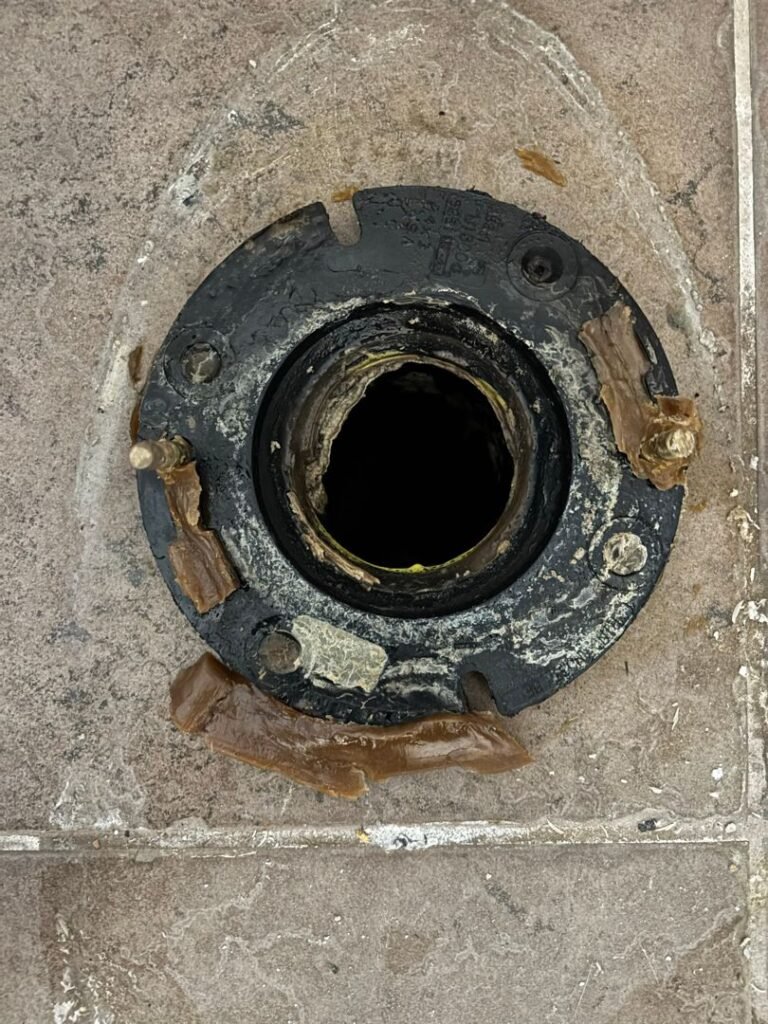
If you’ve been flushing wipes regularly, there may already be buildup developing in your pipes even if you haven’t noticed symptoms yet.
A drain camera inspection is the most reliable way to check. The camera shows whether wipes or other debris are accumulating in your sewer line before a full blockage forms. If buildup is found, a drain flushing service can clear the line and restore the full diameter of the pipe.
If you’re already dealing with slow drains, recurring clogs, or gurgling after flushing, don’t wait for a full backup to happen. A backup means emergency service rates, potential sewage in your home, and a much larger cleanup and repair bill.
How to Book a Drain Inspection in Kanata or Stittsville
If you’ve been flushing wipes and want to know what your pipes look like, we can help. We run camera inspections for residential and commercial properties across Kanata, Stittsville, and the greater Ottawa area.
Not sure if you need an inspection? Our Virtual Plumber service lets you describe what you’re experiencing to a Red Seal certified plumber over video call. We’ll let you know whether an inspection makes sense or whether something simpler will handle it.